
Community
These toys are worth buying for your kids, according to Good Housekeeping experts and kid testers
By Marcus Chen
Advertisement · Why this ad?
Marcus manages the day-to-day editorial workflow across all brands, coordinating coverage assignments and ensuring editorial standards are met. He previously served as city editor at the Pioneer Press and holds a degree in Political Science from Carleton College.
More from Marcus →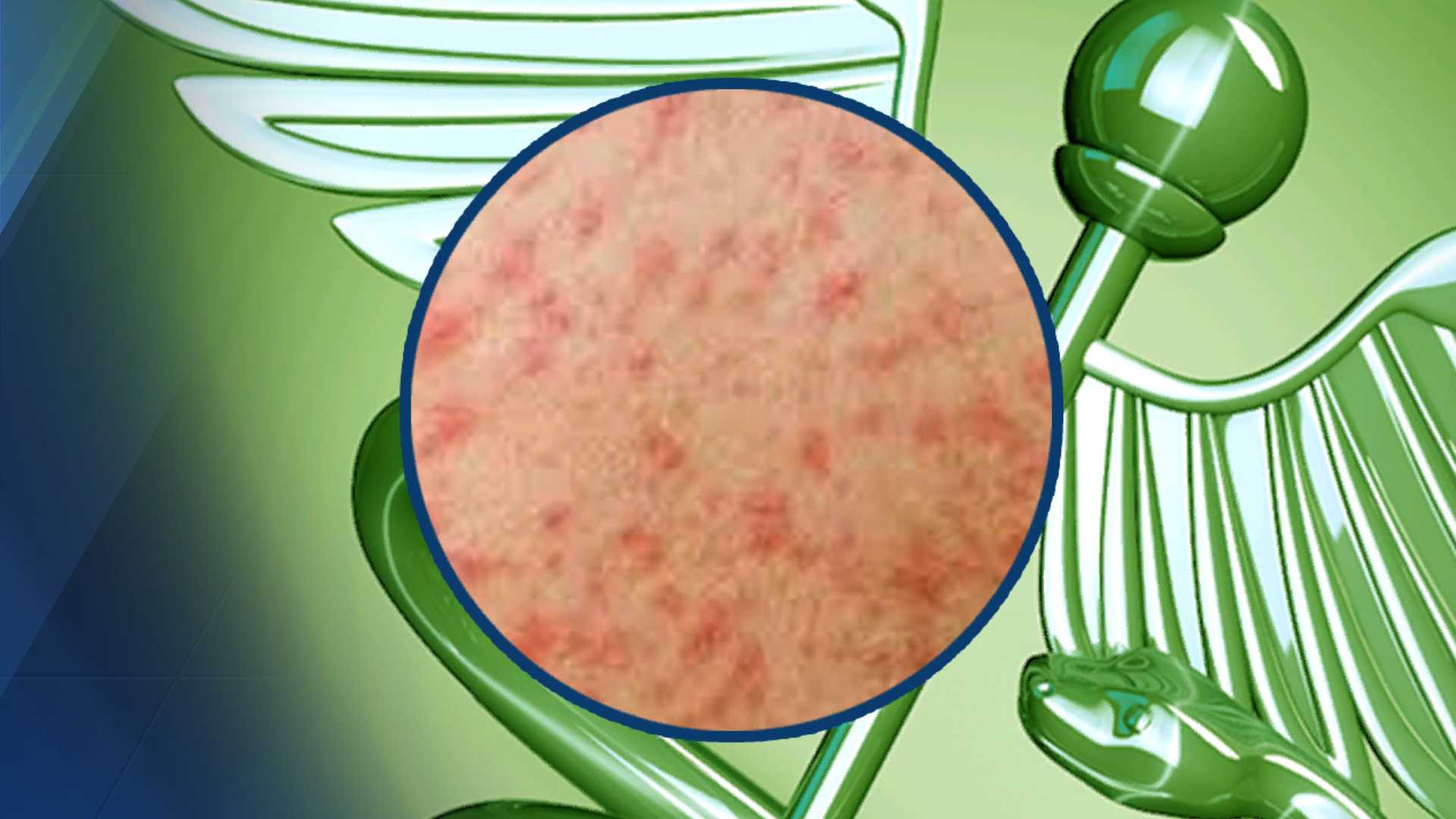
On a somber Thursday morning, the Wisconsin Department of Health Services (DHS) announced a heartbreaking milestone: an infant has died from measles, marking the first such death in the state since 1990. This tragic event underscores the severity of an ongoing measles outbreak that has swept through Wisconsin, with 431 reported cases across 13 counties, the highest count in over 35 years.
The infant's death is linked to a measles outbreak concentrated in the southwest region of Wisconsin. While the DHS has not disclosed specific details about the child, including age, gender, or location, the announcement has sent shockwaves through the community. "Any death of a child is a tragedy and even more so when it is related to a vaccine-preventable disease," said DHS Secretary Kirsten Johnson in a news release.
The current measles outbreak is alarming, with 428 of the 431 reported cases occurring in individuals who were not vaccinated. This statistic highlights a concerning trend in vaccine hesitancy, which has left many vulnerable to preventable diseases. The counties most affected include Grant, Iowa, Lafayette, Vernon, and Chippewa, while additional cases have emerged in Marathon, Jackson, Buffalo, Richland, Marquette, Dane, Rock, and Waukesha counties.
The response from local communities has been one of shock and concern. Parents across Wisconsin are grappling with the implications of the outbreak, particularly as schools and daycare centers become focal points for potential transmission. The need for awareness and proactive measures has never been more urgent. Local health departments are ramping up efforts to educate residents about the importance of vaccinations.
Many families are turning to their healthcare providers for advice on vaccination schedules. The DHS has emphasized that the best way to prevent measles is through the measles, mumps, and rubella (MMR) vaccine, which is approximately 97% effective after two doses. As the community rallies to protect its members, the call for increased vaccination rates has become a rallying cry.
In response to the outbreak, the Wisconsin DHS is launching initiatives aimed at increasing vaccination rates. Clinics are being organized to provide the MMR vaccine at no cost, ensuring that all families have access to this vital protection. Additionally, public forums are being held to address concerns and misinformation about vaccines.
Local parents like Sarah Thompson, a Brookfield resident, are taking these initiatives to heart. "I never thought I’d have to worry about measles in my community. This really hits home, especially with young children around. We need to do everything we can to keep them safe," she said.
The resurgence of measles in Wisconsin is part of a broader trend seen across the United States, where vaccine-preventable diseases are making a comeback due to declining vaccination rates. The CDC reports that measles was declared eliminated in the U.S. in 2000, but outbreaks have occurred in recent years, largely fueled by misinformation and vaccine hesitancy.
In Wisconsin, the current outbreak is particularly concerning given the state's history of successful vaccination campaigns. The DHS is urging all Wisconsinites to evaluate their vaccination status and take action to protect themselves and their families. The message is clear: vaccination is not just a personal choice; it is a community responsibility.
Vaccination has long been recognized as one of the most effective public health measures. The MMR vaccine not only protects individuals but also helps to establish herd immunity, which is crucial for protecting those who cannot be vaccinated due to medical reasons. As the outbreak continues, the urgency to vaccinate has intensified.
Health officials are encouraging parents to check their children's vaccination records and ensure they are up to date. The DHS has made it easier for families to access their vaccination history online, further encouraging proactive health measures. The agency's commitment to public health is evident in its outreach efforts and community engagement.
The tragic death of the infant serves as a stark reminder of the real dangers posed by vaccine-preventable diseases. As Wisconsin grapples with this outbreak, it is imperative for residents to come together to support vaccination efforts. The DHS is committed to doing everything possible to prevent further tragedies.
In the coming weeks, community health initiatives will focus on education, outreach, and vaccination drives. Local schools and community centers are expected to play a pivotal role in these efforts, providing venues for vaccination clinics and information sessions. The goal is to ensure that every child is protected against measles and other preventable diseases.
Beyond the statistics and health department announcements, the human impact of this outbreak is profound. Local leaders, including school administrators and community organizers, are stepping up to address the fears and concerns of families. Many schools are sending out newsletters reminding parents of the importance of vaccinations and providing resources to help them navigate the vaccination process.
In a meeting held at a local community center, parents expressed their worries and shared personal stories about their children’s health. One mother, Lisa Martinez, shared, "I have a newborn and this news makes me feel helpless. I want to protect my baby but I also worry about the misinformation out there." Community leaders are taking these sentiments seriously, working to create safe spaces for dialogue and education around vaccination.
The implications of the measles outbreak extend beyond individual health; they resonate throughout the entire community. High vaccination rates are essential for maintaining public health and preventing outbreaks. When vaccination rates drop, not only do individuals become vulnerable, but entire communities face the risk of resurgence of diseases that were once under control.
Furthermore, the economic impact of outbreaks can be significant. Hospitals and healthcare facilities may become overwhelmed, and families may face unexpected medical costs. Local businesses could also suffer if parents keep children home from school or daycare due to illness or fear of exposure. Therefore, the call to action for vaccinations is not only about health; it is about the economic vitality of the community.
As Wisconsin faces this challenge, the community's resilience and commitment to health will be tested. By prioritizing vaccinations and supporting one another, residents can honor the memory of the lost infant and work towards a healthier future for all. The DHS and local health departments remain steadfast in their mission to protect public health, and it is up to each individual to contribute to the collective effort.
By Marcus Chen
By Marcus Chen

By Katherine Langford

By Marcus Chen